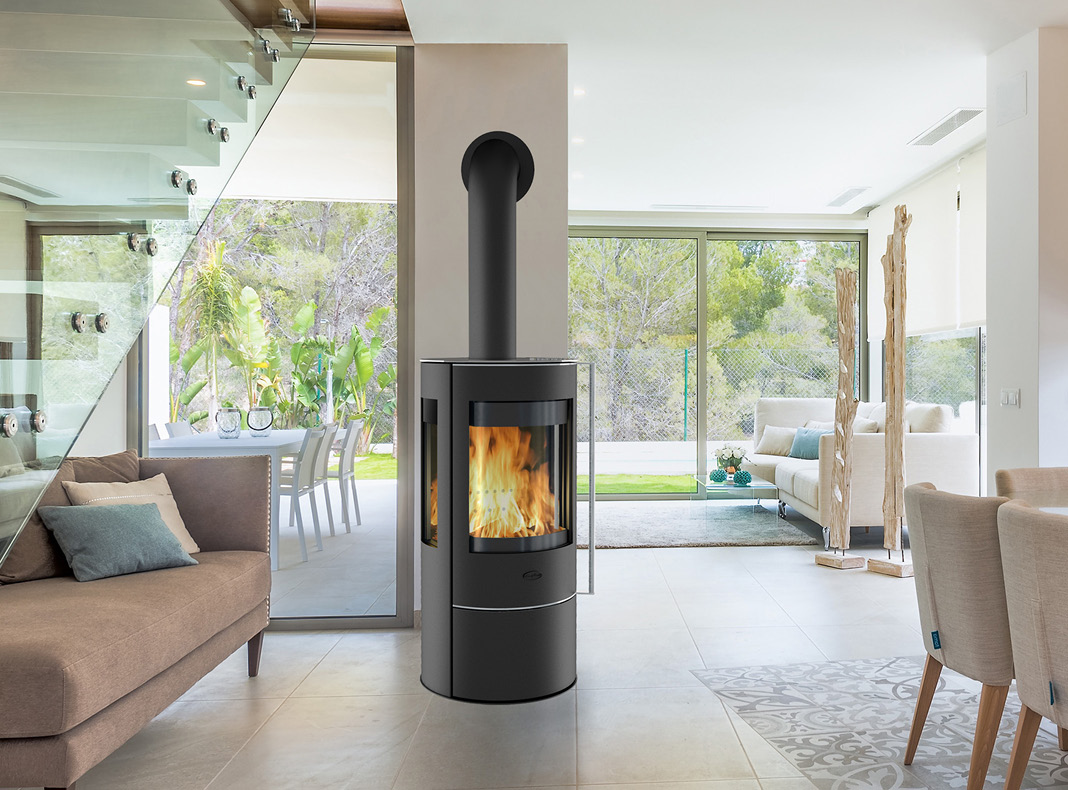
A gas fireplace is a convenient and efficient way to heat your home, but many homeowners overlook one of its most important components: the flue. The flue plays a critical role in safely removing combustion gases and ensuring your fireplace operates efficiently.
Whether you’re installing a new gas fire or maintaining an existing one, understanding how gas fire flues work can help you make informed decisions about safety, performance, and maintenance.
What Is a Gas Fire Flue?
A flue is a passage or duct that allows the byproducts of combustion to safely exit your home. When a gas fireplace burns fuel, it produces gases such as carbon dioxide, water vapor, and small amounts of other combustion byproducts.
The flue directs these gases outdoors while helping maintain proper airflow for efficient operation.
Without a properly functioning flue, harmful gases could remain inside the home, creating serious health and safety risks.
Why Are Flues Important?
Gas fire flues serve several essential functions:
- Remove combustion gases safely
- Improve fireplace efficiency
- Maintain proper airflow
- Reduce indoor air pollution
- Help prevent carbon monoxide buildup
- Support safe and reliable fireplace operation
A well-designed flue system is just as important as the fireplace itself.
Types of Gas Fire Flues
Different gas fireplaces use different flue systems. Understanding the options can help you choose the right solution for your home.
Conventional Flue
A conventional flue uses a traditional chimney to carry combustion gases outside.
These systems typically:
- Require an existing chimney
- Offer a classic fireplace appearance
- Depend on natural airflow and draft
- May require chimney lining or upgrades
Conventional flues are commonly found in older homes with masonry chimneys.
Balanced Flue
Balanced flue systems are popular in modern homes.
They use a sealed system that:
- Draws fresh air from outside
- Expels combustion gases through the same unit
- Does not rely on room air
- Improves energy efficiency
Because the fire is sealed from the room, balanced flue fireplaces are often considered safer and more efficient.
Power Flue
Power flue systems use a mechanical fan to assist ventilation.
Benefits include:
- Flexible installation locations
- Improved airflow control
- Suitable for homes where natural venting is difficult
These systems are often used when a standard flue arrangement is not practical.
Flueless Gas Fires
Some gas fireplaces are designed without a traditional flue.
These units:
- Use advanced catalytic technology
- Clean combustion gases before release
- Require adequate room ventilation
- Must meet strict safety regulations
Flueless fireplaces can offer installation flexibility but require careful consideration and professional guidance.
Signs of Flue Problems
Like any fireplace component, flues can develop issues over time.
Watch for signs such as:
- Unusual odors when the fireplace is operating
- Excessive condensation
- Soot buildup
- Difficulty lighting the fireplace
- Yellow or irregular flames
- Poor heating performance
If you notice any of these symptoms, arrange for a professional inspection as soon as possible.
Importance of Regular Inspections
Routine inspections help ensure your flue remains safe and efficient.
Professional inspections can identify:
- Blockages
- Corrosion
- Damaged liners
- Ventilation issues
- Improper draft performance
Annual servicing is generally recommended for gas fireplaces and flue systems.
Flue Maintenance Tips
Homeowners can help maintain their fireplace by:
- Scheduling yearly inspections
- Keeping vents clear of debris
- Watching for unusual performance changes
- Following manufacturer maintenance guidelines
- Addressing repairs promptly
Preventive maintenance often reduces repair costs and extends the lifespan of the system.
When to Replace a Flue
A flue may need replacement if it shows signs of:
- Significant corrosion
- Structural damage
- Cracked liners
- Persistent ventilation problems
- Non-compliance with current safety standards
A qualified fireplace professional can determine whether repair or replacement is the best option.
Choosing the Right Flue for Your Home
The ideal flue system depends on several factors, including:
- Fireplace type
- Property layout
- Existing chimney structure
- Energy efficiency goals
- Local building regulations
Consulting with an experienced fireplace installer can help ensure you select the safest and most effective solution.
Conclusion
Gas fire flues are essential for the safe operation of any gas fireplace. From conventional chimney systems to modern balanced flues, each type serves the same critical purpose: safely removing combustion gases while supporting efficient performance.
By understanding how flues work and maintaining them properly, homeowners can enjoy greater comfort, improved efficiency, and peace of mind throughout the heating season.