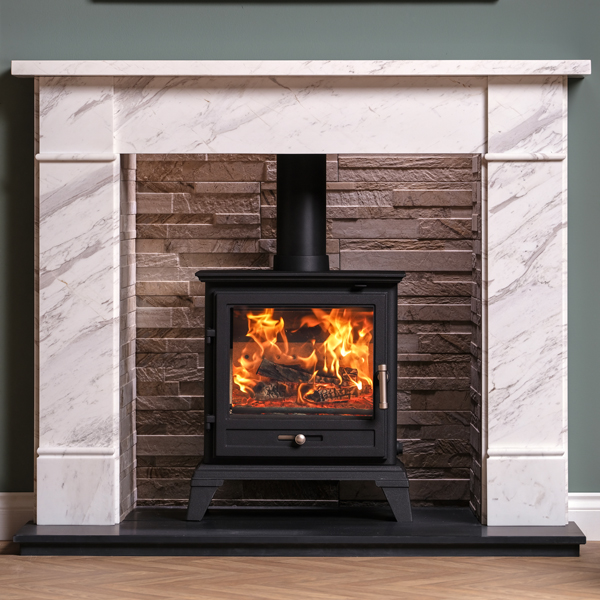
A wood-burning stove is more than just a beautiful focal point for your home—it’s a powerful heating appliance capable of producing significant warmth and comfort. However, many homeowners are unsure how heat output is measured and how much heat their wood burner actually produces.
Understanding heat output can help you choose the right stove, improve efficiency, and keep your home comfortable throughout the colder months.
What Is Heat Output?
Heat output refers to the amount of heat a wood burner generates and delivers to a room or living space. It is typically measured in kilowatts (kW).
The higher the kW rating, the more heat the stove can produce. However, bigger isn’t always better. A stove that produces too much heat for the room can lead to overheating and inefficient burning.
Choosing the correct heat output is essential for comfort, efficiency, and fuel economy.
How Is Heat Output Measured?
Manufacturers test wood-burning stoves under controlled conditions to determine their nominal heat output.
This figure represents the stove’s average heat production during normal operation and is commonly displayed in the product specifications.
Factors considered during testing include:
- Fuel type
- Burn rate
- Airflow settings
- Combustion efficiency
- Heat transfer performance
The nominal output provides a useful guide when comparing different models.
Typical Wood Burner Heat Outputs
Wood-burning stoves are available in a wide range of heat outputs.
Small Stoves (3–5 kW)
Ideal for:
- Small living rooms
- Apartments
- Cabins
- Home offices
Benefits include:
- Efficient heating for compact spaces
- Lower fuel consumption
- Reduced risk of overheating
Medium Stoves (5–8 kW)
Suitable for:
- Average-sized living rooms
- Open-plan spaces
- Family rooms
These are among the most popular options for residential properties.
Large Stoves (8–12+ kW)
Best for:
- Large rooms
- Farmhouses
- Period properties
- Open-concept living areas
Larger units can provide substantial heat but should be matched carefully to room size.
How Much Space Can a Wood Burner Heat?
The area a stove can heat depends on several factors, including:
- Ceiling height
- Insulation quality
- Window size
- Property age
- Outdoor temperatures
- Room layout
As a general guideline, many installers estimate that 1 kW of heat output can warm approximately 14 cubic meters of well-insulated space.
However, every property is different, and a professional assessment is often recommended.
Factors That Affect Heat Output
Even if a stove has a specific heat rating, actual performance can vary.
Wood Quality
Dry, seasoned wood burns hotter and more efficiently than wet or unseasoned logs.
Proper firewood should typically have a moisture content below 20%.
Benefits of dry wood include:
- Greater heat production
- Cleaner combustion
- Reduced creosote buildup
- Improved fuel efficiency
Airflow Control
Most modern wood burners include adjustable air vents.
Correct airflow:
- Supports efficient combustion
- Maintains steady heat
- Reduces smoke production
Restricting airflow too much can reduce efficiency and increase emissions.
Stove Design
Modern wood-burning stoves are designed to maximize heat transfer and combustion efficiency.
Features may include:
- Secondary combustion systems
- Airwash technology
- Insulated fireboxes
- High-efficiency heat exchangers
Advanced designs often produce more usable heat from the same amount of fuel.
Chimney Performance
A properly functioning chimney helps maintain a consistent draft.
Poor draft can lead to:
- Reduced heat output
- Incomplete combustion
- Increased smoke
- Difficult fire management
Regular chimney inspections help ensure optimal performance.
Can a Stove Be Too Powerful?
Yes. Installing a stove with excessive heat output can create several issues.
Potential problems include:
- Uncomfortably hot rooms
- Reduced efficiency
- Difficulty maintaining proper burn conditions
- Increased fuel consumption
Many homeowners mistakenly assume a larger stove is always better, but matching heat output to room size is usually the most effective approach.
Understanding Stove Efficiency
Heat output and efficiency are related but different measurements.
Heat output tells you how much heat the stove produces.
Efficiency indicates how effectively the stove converts fuel into usable heat.
Higher efficiency stoves typically offer:
- Lower fuel costs
- Reduced emissions
- More heat from each log
- Cleaner operation
Modern wood burners often achieve efficiency ratings significantly higher than older models.
Tips for Maximizing Heat Output
To get the best performance from your wood burner:
- Burn properly seasoned wood
- Clean the stove regularly
- Schedule chimney maintenance
- Avoid overloading the firebox
- Use recommended fuel types
- Maintain proper airflow settings
Good operating practices can improve both heat output and efficiency.
When to Upgrade Your Wood Burner
If your existing stove struggles to heat your home effectively, it may be time for an upgrade.
Signs include:
- Poor heating performance
- Excessive smoke production
- High fuel consumption
- Difficulty controlling burns
- Frequent maintenance issues
Modern stoves often provide better efficiency, cleaner combustion, and improved heat distribution.
Conclusion
Understanding heat output is key to choosing and operating a wood-burning stove effectively. While higher heat output may seem appealing, the best stove is one that matches your home’s heating requirements and delivers efficient, comfortable warmth.
By selecting the right-sized wood burner, using quality fuel, and maintaining your system properly, you can enjoy reliable heat, lower fuel costs, and a more comfortable living environment for years to come.