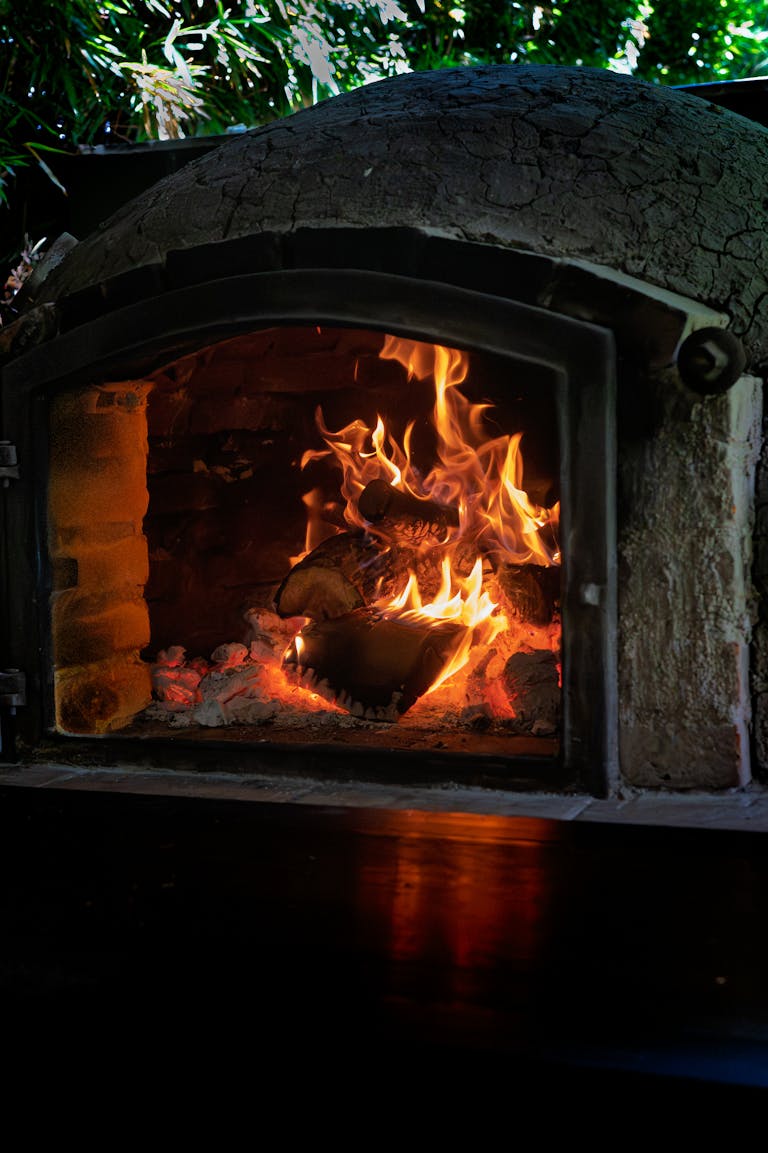
Gas fireplaces remain one of the most popular home heating solutions thanks to their convenience, efficiency, and attractive flame effects. Whether you’re replacing an old fireplace or installing a new heating appliance, understanding the different types of gas fires available can help you make the right choice for your home.
This guide covers everything homeowners need to know about gas fire appliances, from how they work to choosing the best model for their needs.
What Is a Gas Fire Appliance?
A gas fire appliance is a heating unit that burns natural gas or LPG (liquefied petroleum gas) to produce heat and realistic flames. Unlike traditional wood-burning fireplaces, gas fires offer instant heat at the touch of a button, switch, or remote control.
Modern gas fireplaces are designed to combine comfort, efficiency, and style while requiring less maintenance than solid fuel alternatives.
Benefits of Gas Fire Appliances
Gas fires offer several advantages for homeowners.
Convenient Operation
Most gas fireplaces can be ignited instantly without the need for kindling, firewood, or extensive preparation.
Benefits include:
- Quick start-up
- Simple controls
- Consistent heat output
- Minimal cleanup
Efficient Heating
Modern gas appliances are designed to deliver heat efficiently, helping homeowners stay comfortable while potentially reducing energy waste.
Attractive Flame Effects
Today’s gas fires feature highly realistic flame patterns and decorative fuel beds that closely resemble traditional wood or coal fires.
Lower Maintenance
Compared to wood-burning systems, gas fireplaces generally require less cleaning and maintenance.
There is no ash removal, wood storage, or regular sweeping of soot deposits.
Types of Gas Fire Appliances
Several types of gas fireplaces are available, each suited to different homes and installation requirements.
Inset Gas Fires
Inset gas fires fit into an existing fireplace opening or chimney breast.
Features include:
- Traditional appearance
- Space-saving design
- Suitable for many existing fireplaces
- Wide range of styles
These are a popular choice for homeowners updating an older fireplace.
Balanced Flue Gas Fires
Balanced flue models use a sealed system that draws fresh air from outside and expels combustion gases externally.
Advantages include:
- High efficiency
- Improved safety
- Flexible installation options
- Suitable for homes without traditional chimneys
Conventional Flue Gas Fires
These appliances use an existing chimney or flue system for ventilation.
Benefits include:
- Classic fireplace aesthetics
- Compatibility with many older properties
- Variety of traditional and modern designs
Proper chimney maintenance remains essential for safe operation.
Hole-in-the-Wall Gas Fires
These contemporary fireplaces are installed directly into a wall, creating a sleek and modern appearance.
Popular features include:
- Minimalist design
- Space-saving installation
- Strong visual impact
- Modern interiors compatibility
Gas Stoves
Gas stoves combine the appearance of a traditional wood-burning stove with the convenience of gas fuel.
They offer:
- Realistic flame effects
- Efficient room heating
- Easy operation
- Traditional charm
Gas stoves are especially popular in cottages and country-style homes.
Flueless Gas Fires
Flueless models operate without a conventional chimney or flue system.
These appliances:
- Use advanced combustion technology
- Offer installation flexibility
- Require adequate room ventilation
- Must meet strict safety requirements
Professional advice is recommended before choosing a flueless system.
Understanding Heat Output
Heat output is typically measured in kilowatts (kW) and indicates how much heat a fireplace can produce.
When selecting a gas fire appliance, consider:
- Room size
- Ceiling height
- Insulation quality
- Window area
- Desired comfort levels
Choosing the correct heat output helps maximize efficiency and comfort.
Efficiency Ratings Explained
Efficiency measures how effectively a fireplace converts fuel into usable heat.
Higher-efficiency appliances generally provide:
- Lower fuel consumption
- Reduced operating costs
- Greater heat retention
- Lower emissions
Many modern gas fireplaces achieve significantly higher efficiency levels than older models.
Safety Features to Look For
Modern gas fire appliances include various safety systems designed to protect homeowners.
Common features include:
- Flame failure devices
- Oxygen depletion sensors
- Sealed combustion systems
- Automatic shut-off controls
- Safety monitoring technology
These features help ensure reliable and safe operation.
Installation Considerations
Proper installation is critical for both performance and safety.
Factors to consider include:
- Gas supply availability
- Ventilation requirements
- Chimney or flue condition
- Appliance location
- Local building regulations
A qualified gas fireplace installer can assess your property and recommend suitable options.
Maintenance Requirements
Although gas fireplaces require less maintenance than wood-burning systems, regular servicing remains important.
Routine maintenance may include:
- Burner inspection
- Flue checks
- Ventilation assessment
- Cleaning components
- Testing safety systems
Annual servicing helps maintain efficiency and identify potential issues before they become serious problems.
Signs Your Gas Fire Needs Attention
Contact a professional if you notice:
- Difficulty igniting the appliance
- Unusual odors
- Yellow or irregular flames
- Reduced heat output
- Soot deposits
- Unexpected shutdowns
Prompt servicing can help prevent larger repairs and maintain safe operation.
Choosing the Right Gas Fire Appliance
The best fireplace depends on several factors:
- Home size
- Interior style
- Heating requirements
- Budget
- Existing chimney or flue system
- Fuel availability
Consulting with an experienced fireplace specialist can help you identify the most suitable solution for your property.
Conclusion
Gas fire appliances offer an excellent combination of convenience, efficiency, and visual appeal. From traditional inset fires to contemporary wall-mounted designs, there are options available for virtually every home and lifestyle.
By understanding the different appliance types, heat outputs, efficiency ratings, and installation requirements, homeowners can make informed decisions and enjoy safe, reliable warmth for many years to come.