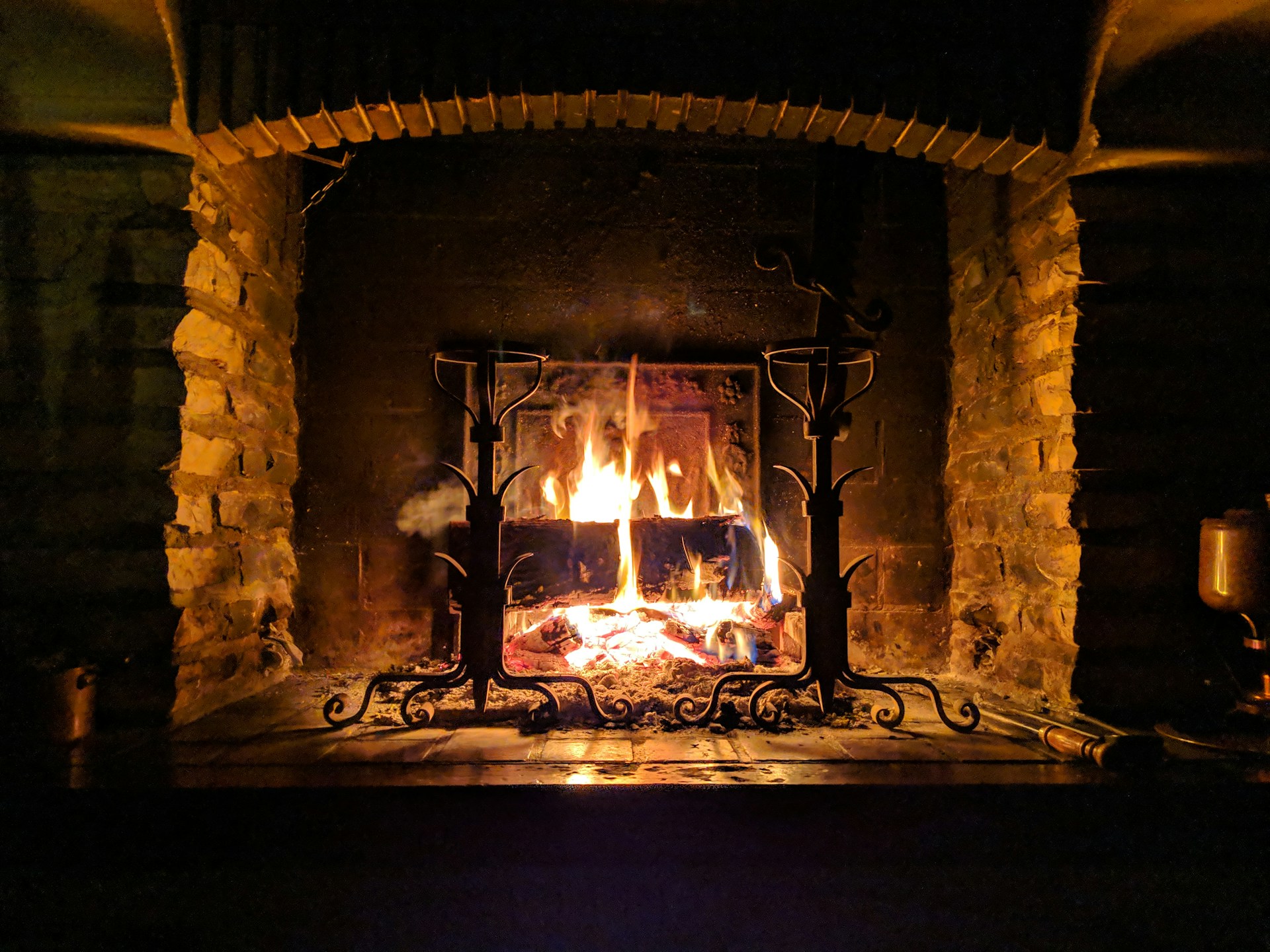
A fireplace can add warmth, comfort, and value to any home, but proper installation is essential for safety and long-term performance. Whether you’re installing a wood-burning fireplace, gas fireplace, or electric unit, hiring a qualified fireplace installer is one of the most important decisions you can make.
In this article, we’ll explore the qualifications, certifications, and skills that professional fireplace installers should possess.
Why Qualifications Matter
Fireplaces involve heat, ventilation systems, gas lines, electrical connections, and building code compliance. Improper installation can lead to serious hazards such as:
- Fire risks
- Carbon monoxide exposure
- Gas leaks
- Poor ventilation
- Structural damage
A qualified installer helps ensure your fireplace operates safely and efficiently while meeting all local regulations.
Professional Training and Certification
One of the first things to look for is formal training and industry certification. Professional fireplace installers should have education and hands-on experience related to fireplace systems and heating appliances.
Common certifications may include:
- Fireplace and chimney installation training
- Gas appliance installation certification
- HVAC-related qualifications
- Manufacturer-specific training programs
- Local licensing requirements
Certified professionals stay up to date with safety standards and industry best practices.
Knowledge of Building Codes
A reputable fireplace installer should have a strong understanding of local and national building codes.
This includes knowledge of:
- Clearance requirements
- Venting regulations
- Combustible material restrictions
- Chimney specifications
- Gas and electrical safety standards
Code compliance helps protect homeowners and can prevent issues during inspections or property sales.
Experience with Different Fireplace Types
Not all fireplaces are installed the same way. A qualified installer should be familiar with multiple fireplace systems, including:
Gas Fireplaces
Gas fireplaces require expertise in:
- Gas line connections
- Venting systems
- Ignition systems
- Leak testing
Wood-Burning Fireplaces
Wood-burning units often involve:
- Chimney construction
- Flue installation
- Draft management
- Fireproof materials
Electric Fireplaces
Electric models require:
- Proper electrical connections
- Wall integration
- Safety clearances
- Smart control setup
An experienced installer can recommend the most suitable option for your home and budget.
Understanding Ventilation and Chimney Systems
Proper ventilation is critical for fireplace safety.
Qualified installers should understand:
- Direct vent systems
- Natural vent systems
- Chimney liners
- Draft performance
- Exhaust requirements
Poor ventilation can reduce efficiency and create dangerous indoor air quality issues.
Insurance and Licensing
Always verify that the installer carries appropriate insurance and licensing where required.
Important protections include:
- General liability insurance
- Workers’ compensation coverage
- Local contractor licenses
- Business registration
These credentials help protect both homeowners and contractors in the event of accidents or property damage.
Strong Safety Practices
Safety should be a top priority during every installation.
Professional installers should:
- Conduct site assessments
- Follow manufacturer specifications
- Use approved materials
- Perform safety inspections
- Test fireplace operation before completion
A commitment to safety demonstrates professionalism and reduces future risks.
Manufacturer Knowledge
Many modern fireplaces include advanced features such as:
- Remote controls
- Smart home integration
- Electronic ignition systems
- High-efficiency heating technology
Qualified installers often receive training directly from manufacturers, ensuring proper setup and warranty compliance.
Customer Reviews and References
A strong reputation is another sign of a qualified fireplace installer.
Before hiring, consider:
- Online reviews
- Customer testimonials
- Portfolio of completed projects
- References from previous clients
Consistently positive feedback often indicates reliable workmanship and customer service.
Questions to Ask Before Hiring
Before choosing an installer, ask:
- How many years of fireplace installation experience do you have?
- Are you licensed and insured?
- What certifications do you hold?
- Do you provide warranties on your work?
- Can you provide customer references?
- Are you familiar with local building codes?
The answers can help you make an informed decision.
Conclusion
Choosing a qualified fireplace installer is essential for safety, efficiency, and long-term reliability. Look for professionals with proper training, certifications, licensing, insurance, and experience working with your specific fireplace type. Taking the time to verify qualifications can help ensure a smooth installation process and years of safe enjoyment.
If you’re planning a fireplace installation, working with an experienced and certified professional is the best way to protect your investment and your home.